

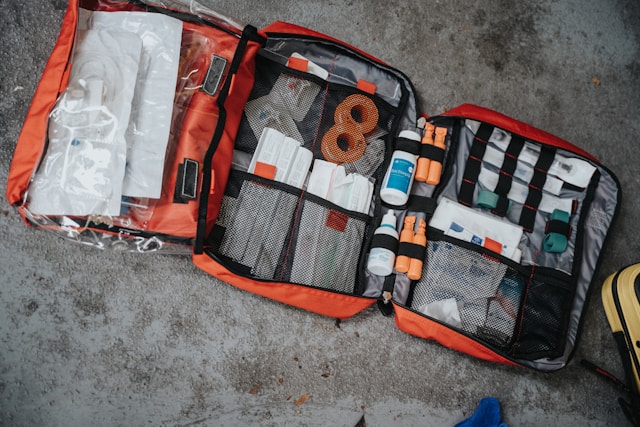
Florida Accredited Online CPR and First Aid Certifications
In the dynamic landscape of workplace safety, having the right certifications can make all the difference in an emergency. Health Solutions of America, through its Academy of Resuscitation Training (A.R.T.), offers accredited online CPR, AED, and First Aid certifications that are valid for two years. These certifications are designed to meet national standards and are widely accepted across various industries, making them an ideal choice for professionals in Florida’s diverse workforce.
In this blog, we’ll explore the value of Health Solutions of America’s certifications, their compliance with industry standards, and the many Florida industries that should accept these credentials for their employees.
Why Choose Health Solutions of America’s Online Certifications?
Health Solutions of America stands out as a premier provider of online life-saving training, offering certifications that are both accessible and authoritative. Here’s why their programs are a top choice for Florida professionals:
- Accreditation and Compliance: The Academy of Resuscitation Training adheres to the most current Emergency Cardiovascular Care (ECC) guidelines set by the International Liaison Committee on Resuscitation (ILCOR) and aligns with the American Heart Association (AHA) standards. This ensures that the certifications meet rigorous national requirements for CPR, AED, and First Aid training.
- Two-Year Validity: Upon successful completion, learners receive a certification valid for two years, providing ample time before renewal is required. A PDF certification card is emailed immediately, offering instant proof of compliance.
- Convenience and Flexibility: The fully online format allows professionals to complete training at their own pace, from any location, without the need for in-person classes. This is particularly valuable for busy workers in Florida’s fast-paced industries.
- Comprehensive Training: Courses cover essential skills, including adult, child, and infant CPR, AED usage, and First Aid for common emergencies like choking, wounds, and burns. The video-based instruction is clear, engaging, and designed to build confidence in real-world scenarios.
- Trusted by Employers: Health Solutions of America’s certifications are recognized by employers nationwide, including many in Florida, though it’s always recommended to confirm acceptance with specific employers or regulatory bodies.
The Importance of CPR and First Aid Certifications in Florida
Florida’s economy is diverse, encompassing healthcare, tourism, education, construction, and more. In each of these sectors, emergencies like cardiac arrest, choking, or injuries can occur unexpectedly. CPR and First Aid certifications empower employees to respond effectively, potentially saving lives while meeting workplace safety regulations, such as those set by the Occupational Safety and Health Administration (OSHA).
Health Solutions of America’s two-year certifications provide a cost-effective and efficient way to ensure compliance with state and industry standards. By equipping employees with life-saving skills, businesses enhance workplace safety, reduce liability, and demonstrate a commitment to employee and client well-being.
Industries in Florida That Should Accept These Certifications
Health Solutions of America’s online CPR and First Aid certifications are designed to meet the needs of a wide range of industries. Below are key Florida industries that should accept these certifications, provided they align with employer or state-specific requirements.
1. Healthcare and Assisted Living Facilities
- Why It Matters: Healthcare workers, including nurses, CNAs, and assisted living staff, are often on the front lines of medical emergencies.
- Acceptance: These certifications comply with ECC/ILCOR guidelines and are ideal for assisted living facilities, home health agencies, and clinics.
- Example Roles: Nurses, medical assistants, home health aides, assisted living caregivers.
2. Education and Childcare
- Why It Matters: Teachers, daycare workers, and school staff are responsible for children’s safety during emergencies.
- Acceptance: Should be accepted by schools and childcare centers, especially those under Florida DCF regulations.
- Example Roles: Teachers, daycare providers, school bus drivers, coaches, camp counselors.
3. Hospitality and Tourism
- Why It Matters: Florida’s tourism hubs like Orlando and Miami see millions of guests; trained staff help mitigate emergencies.
- Acceptance: Certifications are often required for hospitality safety and should be accepted by hotels, resorts, and theme parks.
- Example Roles: Hotel staff, theme park employees, restaurant servers, lifeguards.
4. Construction and Manufacturing
- Why It Matters: High-risk job sites call for staff trained to respond to injuries.
- Acceptance: Aligns with OSHA workplace safety guidelines; blended options may be needed.
- Example Roles: Construction workers, electricians, factory workers, warehouse staff.
5. Fitness and Wellness Centers
- Why It Matters: Physical exertion can trigger health emergencies; staff must know CPR/AED.
- Acceptance: Widely accepted in gyms and fitness settings across Florida.
- Example Roles: Personal trainers, gym staff, yoga instructors.
6. Public Safety and Law Enforcement
- Why It Matters: Officers and guards often need to stabilize people during emergencies.
- Acceptance: Suitable for non-medical public safety roles; check with FDLE for specifics.
- Example Roles: Security guards, corrections officers, non-EMS first responders.
7. Retail and Customer Service
- Why It Matters: Staff are in public spaces where emergencies can occur.
- Acceptance: Should be accepted by retail chains under OSHA recommendations.
- Example Roles: Store clerks, managers, front desk staff.
8. Water-Related and Recreational Activities
- Why It Matters: Florida’s aquatic environments require trained emergency responders.
- Acceptance: CPR/AED training included; suitable for aquatic and recreational staff.
- Example Roles: Lifeguards, swim instructors, dive instructors, boat tour operators.
9. Transportation and Logistics
- Why It Matters: Drivers may encounter roadside emergencies.
- Acceptance: OSHA-compliant training should be accepted by logistics firms.
- Example Roles: Truck drivers, bus drivers, delivery personnel.
10. Volunteer and Community Organizations
- Why It Matters: Volunteers often serve vulnerable populations.
- Acceptance: Widely accepted by nonprofits for general training and preparedness.
- Example Roles: Community center staff, church volunteers, youth group leaders.
Florida-Specific Considerations
While Health Solutions of America’s certifications are nationally recognized, Florida professionals should:
- Verify with Employers to confirm training acceptance.
- Check State Guidelines via AHCA, DCF, or FDLE.
- Consider Blended Learning if hands-on testing is required.
Benefits for Florida Employers
- Enhanced Safety: Certified employees handle emergencies effectively.
- Regulatory Compliance: Meets OSHA and state licensing standards.
- Cost Savings: Online format reduces travel and training downtime.
- Employee Confidence: Certified staff feel empowered and prepared.
Conclusion: Florida’s Trusted CPR and First Aid Certifications
Health Solutions of America offers accredited CPR, AED, and First Aid certifications through the Academy of Resuscitation Training, valid for two years and aligned with ECC/ILCOR and AHA guidelines. These courses are ideal for professionals across Florida’s many industries, helping individuals and employers stay compliant and prepared.
Whether you work in healthcare, tourism, construction, education, or beyond, these certifications are a smart investment in safety. Visit Health Solutions of America to enroll and take the first step toward becoming a certified lifesaver.