

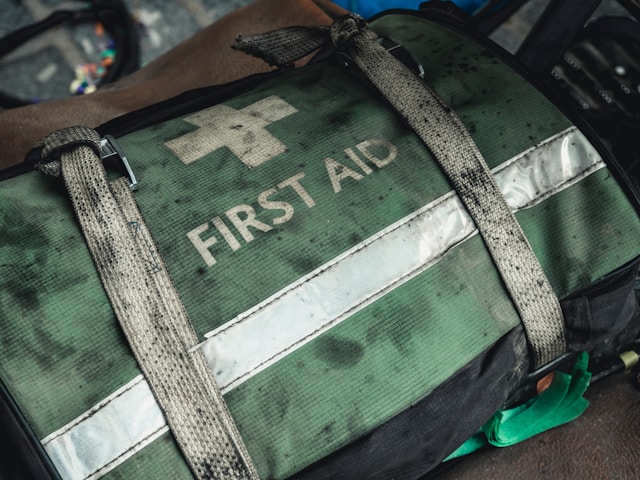
Accredited CPR and First Aid Certifications from Health Solutions of America: Nationwide Acceptance and Compliance with ECC/ILCOR and AHA Guidelines
When it comes to life-saving training, credibility, flexibility, and compliance with industry standards are paramount. Health Solutions of America, through its Academy of Resuscitation Training (A.R.T.), offers accredited online and blended-learning CPR, AED, and First Aid certifications that are valid for two years. These courses strictly adhere to the 2020 Emergency Cardiovascular Care (ECC) guidelines set by the International Liaison Committee on Resuscitation (ILCOR) and the American Heart Association (AHA), ensuring they meet the highest national standards.
In this blog, we’ll explore the features of Health Solutions of America’s certifications, their rigorous compliance with ECC/ILCOR and AHA guidelines, and their widespread acceptability across every U.S. state and industry.
Why Choose Health Solutions of America?
Health Solutions of America is a trusted provider of life-saving training, offering certifications that combine accessibility, quality, and compliance. Here’s why their programs are a top choice for professionals and employers:
- Accreditation by the Academy of Resuscitation Training
The A.R.T. ensures that all courses are accredited, meeting stringent standards for quality and compliance. This accreditation enhances the credibility of certifications, making them widely recognized by employers and regulators. - Two-Year Validity
Certifications are valid for two years, aligning with industry renewal cycles. Upon completion, learners receive an immediate PDF certification card via email, providing instant proof of training. - Flexible Training Formats
- Online Certifications: Fully online courses allow learners to train at their own pace, ideal for those in low-risk workplaces or with flexible schedules.
- Blended-Learning Certifications: These combine online coursework with in-person skills verification, catering to industries requiring hands-on practice.
- Comprehensive Curriculum
Courses cover adult, child, and infant CPR, AED usage, and First Aid for emergencies like choking, bleeding, and burns. Video-based instruction ensures clarity and confidence in real-world scenarios. - Nationwide Recognition
Certifications are designed to meet national standards, making them acceptable across all 50 U.S. states and various industries, though verification with employers or state regulators is recommended.
Strict Adherence to ECC/ILCOR and AHA Guidelines
Health Solutions of America’s certifications are rooted in the 2020 ECC guidelines established by ILCOR and the AHA, which represent the global benchmark for resuscitation and emergency care. These guidelines are updated every five years based on the latest scientific research, ensuring that training reflects best practices. Here’s how Health Solutions of America ensures strict compliance:
- Evidence-Based CPR Training
- Courses follow AHA/ILCOR protocols for CPR, including compression rates (100–120 beats per minute), depths (2–2.4 inches for adults), and techniques to minimize interruptions, which are proven to improve survival rates.
- Training covers CPR for adults, children, and infants, adhering to age-specific guidelines outlined by AHA.
- AED Instruction
- AED training complies with AHA/ILCOR recommendations for early defibrillation, covering device operation, pad placement, and integration with CPR. This aligns with AHA’s emphasis on AED use within minutes of cardiac arrest.
- First Aid Protocols
- First Aid training follows ECC/ILCOR and AHA guidelines for managing emergencies like choking, wounds, burns, and allergic reactions. Clear, step-by-step instructions ensure learners can act effectively.
- Regular Updates
- The Academy of Resuscitation Training continuously updates course content to reflect the latest ECC/ILCOR guidelines, ensuring learners receive current, scientifically validated instruction.
- Blended-Learning Compliance
- For roles requiring hands-on skills, blended-learning courses include in-person sessions with certified instructors, meeting AHA/ILCOR recommendations for practical training in high-risk settings.
This rigorous adherence ensures that Health Solutions of America’s certifications are not only compliant but also effective in preparing learners to save lives.
Online and Blended-Learning Options: Tailored for Every Need
Health Solutions of America offers two training formats, both accredited by A.R.T. and compliant with ECC/ILCOR and AHA guidelines:
- Online Certifications
- Best For: Professionals in low-risk environments (e.g., offices, retail) or where employers accept fully online training.
- Features: Complete coursework online with interactive videos, quizzes, and virtual scenarios. Receive a two-year certification card upon passing.
- Advantages: Cost-effective, flexible, and ideal for remote learners or those with tight schedules.
- Blended-Learning Certifications
- Best For: Healthcare, childcare, construction, or other industries requiring hands-on skills verification, often mandated by OSHA or state regulations.
- Features: Complete theoretical coursework online, followed by an in-person skills session to practice CPR, AED, and First Aid techniques with a certified instructor.
- Advantages: Combines online flexibility with hands-on confidence, meeting stringent industry requirements.
Both formats result in a two-year certification, ensuring compliance and readiness for emergencies.
Acceptability Across All 50 U.S. States
Health Solutions of America’s certifications are designed to meet national standards, making them acceptable in all 50 U.S. states, provided they align with employer or state-specific requirements. The accreditation by A.R.T. and compliance with ECC/ILCOR and AHA guidelines ensure broad recognition. However, acceptance may vary based on state regulations or employer policies, particularly for roles requiring hands-on training.
Here’s a breakdown of their acceptability:
- General Acceptance: The certifications are widely accepted in states like California, Florida, Texas, New York, and others for roles in low-risk workplaces (e.g., retail, education) where online training is sufficient.
- Blended-Learning Requirements: States like Michigan, Massachusetts, or Pennsylvania may require blended learning for certain industries (e.g., healthcare, childcare) to comply with state licensing boards or OSHA guidelines. Health Solutions of America’s blended-learning option meets these needs.
- State-Specific Notes:
- Healthcare: States like Florida (Agency for Health Care Administration) and California (Department of Public Health) often require CPR for assisted living or nursing staff. Blended learning is typically preferred, but online certifications may suffice for non-clinical roles.
- Childcare: States like Georgia and Illinois mandate CPR/First Aid for daycare providers, often requiring hands-on verification, which blended learning fulfills.
- Public Safety: Roles like EMTs in Ohio or Virginia may require Basic Life Support (BLS) with in-person training, but non-EMS roles (e.g., security) often accept A.R.T. certifications.
- Verification: Learners should confirm acceptance with employers or state agencies (e.g., Department of Health, Education, or Labor) to ensure compliance, as some states may have unique requirements.
Health Solutions of America advises verifying with employers, and their blended-learning option ensures flexibility for states or industries with stricter mandates.
Industries That Accept These Certifications
Health Solutions of America’s certifications are versatile, serving a wide range of industries nationwide. Below are key sectors where these certifications are typically accepted, provided they meet specific requirements:
-
Healthcare and Assisted Living
- Why: Nurses, CNAs, and assisted living staff need CPR and First Aid to manage patient emergencies like cardiac arrest or falls.
- Acceptance: Accepted in hospitals, clinics, and assisted living facilities, especially with blended learning for hands-on roles. Meets standards for Joint Commission or state licensing boards.
- Roles: Nurses, medical assistants, home health aides.
-
Education and Childcare
- Why: Teachers and daycare providers ensure child safety during emergencies like choking or injuries.
- Acceptance: Accepted by schools and childcare centers, often requiring blended learning to meet state regulations (e.g., Head Start or state education departments).
- Roles: Teachers, daycare staff, coaches, camp counselors.
-
Hospitality and Tourism
- Why: Hotel, restaurant, and theme park staff may encounter guest emergencies, requiring immediate response.
- Acceptance: Accepted by hotels, resorts, and amusement parks, aligning with OSHA’s workplace safety guidelines.
- Roles: Hotel staff, servers, lifeguards, tour guides.
-
Construction and Manufacturing
- Why: High-risk environments require training to manage injuries like cuts, falls, or electrical shocks.
- Acceptance: Accepted by construction firms and factories, often with blended learning to meet OSHA’s hands-on training recommendations.
- Roles: Construction workers, electricians, warehouse staff.
-
Fitness and Wellness
- Why: Gyms and fitness centers need staff trained to handle cardiac events or injuries during workouts.
- Acceptance: Accepted by fitness centers, as certifications cover AED and CPR, critical for gym settings.
- Roles: Personal trainers, gym staff, yoga instructors.
-
Public Safety and Security
- Why: Security guards and non-EMS responders may need to aid civilians or colleagues in emergencies.
- Acceptance: Accepted for non-medical roles, though EMS roles may require BLS. Meets standards for state licensing agencies.
- Roles: Security guards, corrections officers.
-
Retail and Customer Service
- Why: Retail workers interact with customers who may experience medical emergencies.
- Acceptance: Accepted by retail chains for OSHA compliance, often with online certifications for low-risk roles.
- Roles: Store clerks, managers, front desk staff.
-
Aquatic and Recreational Activities
- Why: Lifeguards and swim instructors need CPR and First Aid for drowning or water-related emergencies.
- Acceptance: Accepted by aquatic facilities, though lifeguard-specific roles may require additional certifications.
- Roles: Lifeguards, swim instructors, dive instructors.
-
Transportation and Logistics
- Why: Drivers and logistics workers may encounter accidents or medical emergencies on the road.
- Acceptance: Accepted by trucking companies and bus operators, aligning with OSHA standards.
- Roles: Truck drivers, bus drivers, delivery personnel.
-
Volunteer and Community Organizations
- Why: Volunteers in community centers or non-profits work with diverse groups, needing emergency response skills.
- Acceptance: Accepted by non-profits and volunteer groups, as certifications meet national standards for laypersons.
- Roles: Community center staff, church volunteers, youth group leaders.
Ensuring Acceptance
To maximize acceptance, learners should:
- Confirm with Employers: Verify that online or blended-learning certifications meet job or facility requirements.
- Check State Regulations: Contact state agencies (e.g., Department of Health, Education) for industry-specific rules.
- Opt for Blended Learning if Needed: For high-risk industries or states requiring hands-on training, choose blended learning to ensure compliance.
- Keep Documentation: Save and print the PDF certification card for easy verification.
Benefits of Health Solutions of America’s Certifications
- For Professionals: Gain life-saving skills, enhance employability, and meet workplace requirements with flexible training.
- For Employers: Ensure OSHA and industry compliance, improve workplace safety, and reduce liability with accredited training.
- For Communities: Certified individuals contribute to safer environments, ready to act in emergencies.
Conclusion
Health Solutions of America offers accredited online and blended-learning CPR, AED, and First Aid certifications through the Academy of Resuscitation Training, valid for two years and strictly compliant with 2020 ECC/ILCOR and AHA guidelines. These certifications are designed for nationwide acceptance across all 50 U.S. states and industries, including healthcare, education, hospitality, construction, fitness, and more. While online certifications suit low-risk roles, blended learning ensures compliance for high-risk industries requiring hands-on verification.
By choosing Health Solutions of America, professionals and employers invest in credible, flexible training that saves lives. Visit their website today to explore courses and start your certification journey. Be prepared to make a difference with training that meets the highest standards!
Disclaimer: Acceptance of certifications varies by employer and state regulations. Health Solutions of America recommends verifying with your employer or industry authority to ensure compliance.