

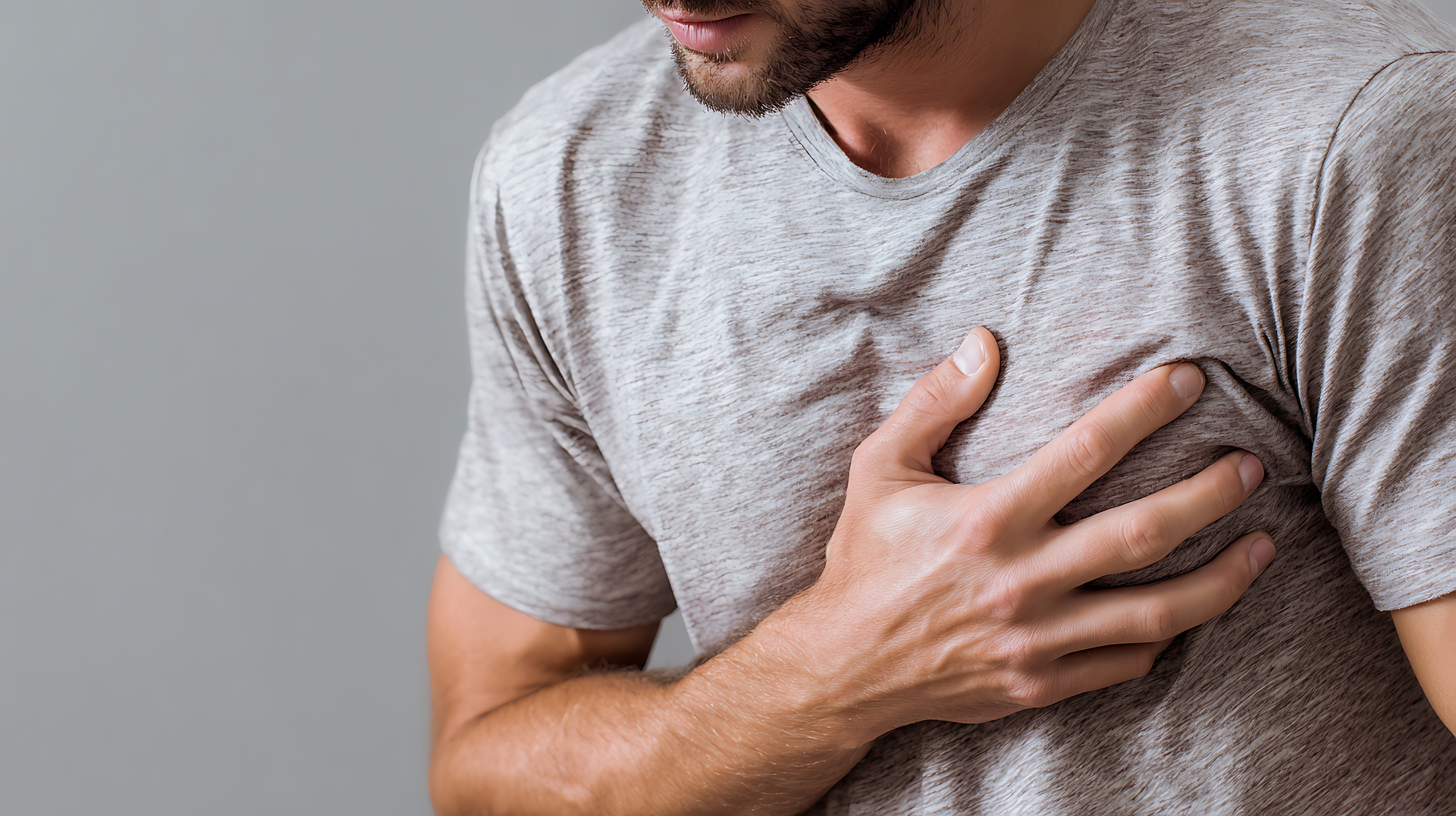
What Happens to Your Body During Cardiac Arrest?
Cardiac arrest is one of the most frightening medical emergencies, and it can strike suddenly, without warning. But what happens during cardiac arrest inside the body? Understanding the process can help you recognize the urgency of the situation and act quickly to save a life.
At Health Solutions of America, we are committed to equipping people with life-saving knowledge and training. In this guide, we’ll explain the science of cardiac arrest, what it does to the body, and why fast intervention with CPR and an AED is critical.
What Is Cardiac Arrest?
Cardiac arrest occurs when the heart suddenly stops beating effectively, preventing blood from pumping to the brain, lungs, and other vital organs. It is usually triggered by an electrical malfunction in the heart that disrupts its rhythm.
👉 This is different from a heart attack, which happens when blood flow to part of the heart is blocked, though a heart attack can sometimes lead to cardiac arrest.
What Happens Inside the Body?
Here’s what takes place step by step when cardiac arrest occurs:
- Heart Rhythm Becomes Chaotic
The heart’s electrical system malfunctions. The rhythm may become disorganized (ventricular fibrillation) or stop entirely (asystole). The result: the heart can no longer pump blood. - Blood Flow Stops
Without a heartbeat, circulation halts. Oxygen no longer reaches vital organs, especially the brain. - Brain Damage Begins Within Minutes
Brain cells are highly sensitive to oxygen deprivation. Within 4–6 minutes, damage begins, and after 10 minutes, survival rates drop dramatically. - Breathing Stops
Many people stop breathing or show gasping, irregular breaths (agonal breathing). This is a red flag to begin CPR immediately. - Loss of Consciousness
The person will quickly collapse, become unresponsive, and show no reaction to shouting, shaking, or touch.
What Does Cardiac Arrest Look Like?
Signs of cardiac arrest include:
- Sudden collapse
- No pulse
- No normal breathing
- Unresponsiveness
Possible warning symptoms may include:
- Chest discomfort
- Dizziness
- Shortness of breath
- Palpitations
However, cardiac arrest often occurs without any warning at all.
Why Immediate Action Is Critical
Every minute without CPR or defibrillation reduces survival chances by about 10%. That’s why quick response is essential.
What you should do:
- Call 911 immediately
- Begin CPR — push hard and fast at a rate of 100–120 compressions per minute
- Use an AED (Automated External Defibrillator) as soon as possible
The Role of CPR and AEDs
- CPR helps manually circulate blood to the brain and heart, buying precious time.
- AEDs deliver an electric shock to reset the heart’s rhythm and restore effective pumping.
Used together within the first few minutes, CPR and AED intervention can double or even triple survival chances.
Be Prepared to Save a Life
Cardiac arrest doesn’t only affect older adults or those with known conditions — it can happen anywhere, at any time, even to young and healthy individuals. That’s why knowing what happens during cardiac arrest and how to respond is so important.
At Health Solutions of America, we provide convenient and affordable online courses in CPR, AED, and First Aid certification. Whether you’re a parent, teacher, healthcare worker, or simply a concerned citizen, these skills empower you to take action when it matters most.
Ready to learn life-saving skills? Contact us today to enroll in a certification course and be prepared to make a difference.