

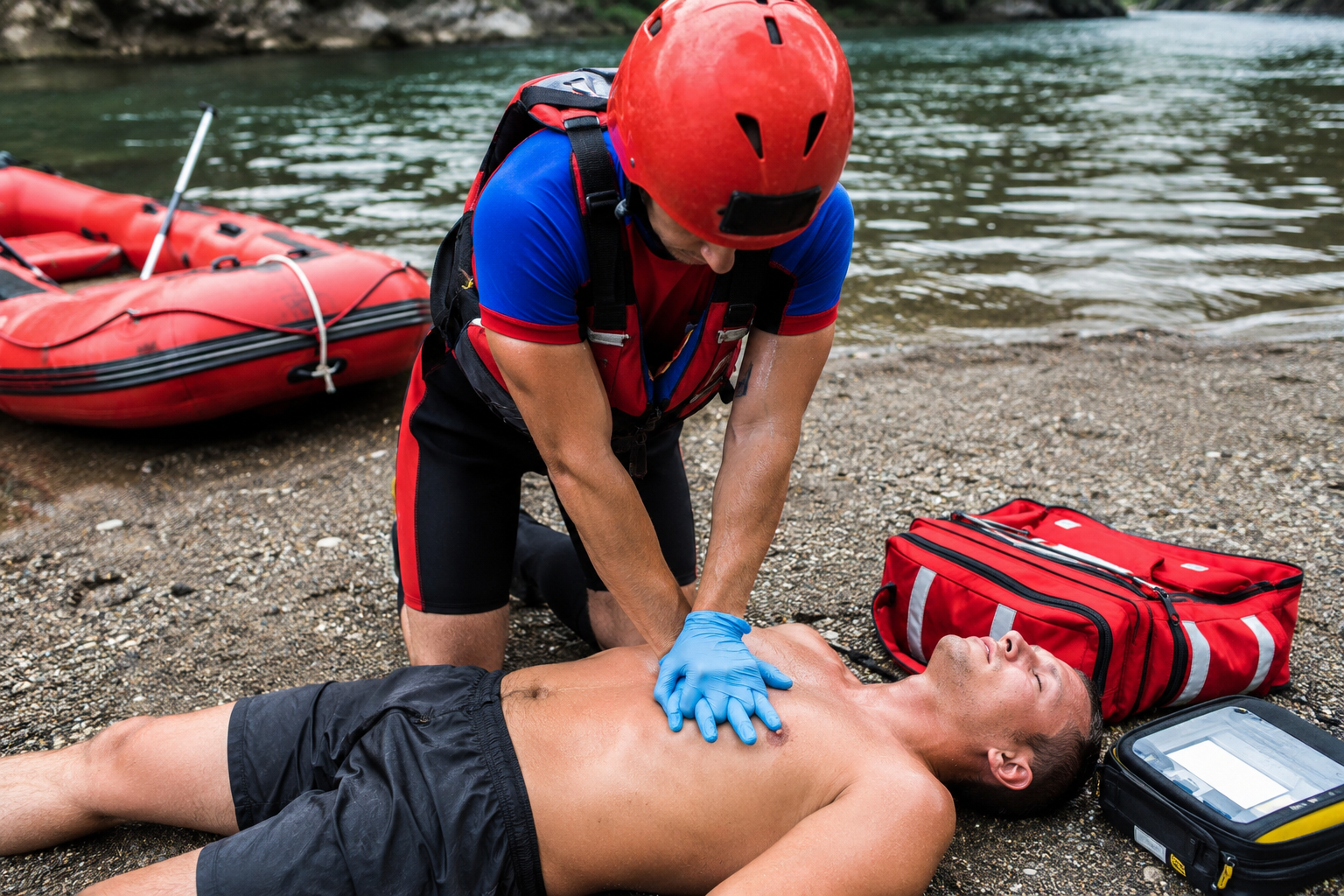
River & Lake Swimming: CPR Safety Essentials
When Nature Calls, CPR Readiness Saves Lives
Swimming in rivers and lakes offers a refreshing escape, but it comes with unique safety demands that many recreational swimmers overlook. Unlike controlled pool environments, natural bodies of water present unpredictable currents, hidden obstacles, cold temperatures, and limited immediate help—all of which increase drowning risk. In remote or rural areas, emergency response times can stretch critical minutes, making bystander intervention essential.
This is where CPR readiness becomes a lifeline. Cardiopulmonary resuscitation is not just for medical emergencies—it’s a crucial skill for any outdoor swimmer, parent, or outdoor guide. When someone struggles in water, seconds count. Immediate, effective CPR can double or even triple survival chances before first responders arrive.
In this guide, you’ll learn how to assess natural swimming risks, recognize distress in moving water, and respond confidently with CPR when every breath matters. From shoreline preparation to post-rescue care, we’ll cover practical steps that empower swimmers, families, and outdoor enthusiasts to stay safe and act decisively in emergencies. Whether you’re exploring mountain streams or coastal inlets, preparedness starts with knowledge—and action.
How to Perform CPR in a River or Lake Emergency: A Step-by-Step Outdoor Guide
When seconds count during a drowning incident in natural water settings, knowing how to perform CPR correctly—despite environmental challenges—can mean the difference between life and death. Unlike indoor settings, outdoor water rescues require adaptations for unstable terrain, cold exposure, and delayed emergency response. Follow this step-by-step guide to deliver effective CPR in remote or aquatic environments.
- Ensure Scene Safety Before Entering the Water
Never jump in without assessing risks like strong currents, slippery banks, or underwater hazards. Use a rescue throw bag or pole if possible to avoid direct entry. - Remove the Victim from the Water with Spinal Precautions
If contact rescue is necessary, minimize head and neck movement. Drag the person diagonally across your chest to reduce spinal stress when exiting rocky or uneven shorelines. - Position on a Firm, Flat Surface
Avoid soft sand or mud. Use a backboard or door if available to ensure effective chest compressions. - Begin CPR Immediately: 30 Compressions to 2 Breaths
Push hard and fast—2 inches deep at 100–120 compressions per minute. In coldwater cases, continue CPR longer; hypothermic victims can often be revived even after prolonged submersion. - Protect Against Hypothermia Post-CPR
Once breathing returns, place the individual in warm, dry layers and insulate from the ground to prevent post-rescue collapse.
Carry a pocket mask on boating excursions, and practice skills annually—your readiness supports safer outdoor adventures.
5 Critical Reasons CPR Training Is Non-Negotiable for River & Lake Swimmers
For outdoor enthusiasts who frequent rivers and lakes, knowing how to swim isn’t the only safety essential—being prepared to respond during a water emergency is just as crucial. Drowning can happen in seconds, and emergency response times in remote or rural recreation areas can be delayed. That’s why CPR training is a vital skill for every swimmer, paddler, and lakeside visitor. Here are the top five reasons why.
1. Drowning Is Silent and Fast—CPR Can Bridge the Critical Gap Drowning often occurs without warning and without splashing or calls for help. In fast-moving rivers or on secluded lakes, immediate intervention is essential. CPR helps maintain oxygen flow to the brain and heart until emergency services arrive, significantly increasing survival odds.
2. Remote Locations Mean Longer EMS Response Times Popular swimming spots in rural or mountainous regions may be far from hospitals or fire stations. In these situations, bystander CPR can double or even triple a victim’s chance of survival, especially when performed within the first few minutes of cardiac arrest.
3. Cold Water Immersion Can Trigger Cardiac Events Sudden immersion in cold mountain waters can shock the system, leading to gasping, hyperventilation, or even cardiac arrest—especially in adults with underlying conditions. CPR-trained individuals can respond effectively to both drowning and cold-induced cardiac incidents.
4. Many Water-Related Injuries Occur in Family or Group Settings From community swim days on lakeshores to summer outings on rivers, most water activities involve groups. When one person is trained, the entire group becomes safer. Parents, camp counselors, and recreation leaders should prioritize certification.
5. CPR Skills Are Transferable and Build Confidence Beyond water emergencies, CPR is valuable in any medical crisis—whether at home, in a public park, or during outdoor events. Training builds confidence, reduces panic, and empowers swimmers to take immediate, effective action.
Busting Myths: What You Think You Know About Drowning Could Cost Lives
When seconds count in a river or lake emergency, misinformation can delay critical CPR and cost lives. Contrary to popular belief, drowning is often silent and swift—most victims don’t thrash or call out. This “instinctive drowning response” means a swimmer in trouble may appear to be treading water or even bobbing quietly, making early recognition essential for effective rescue and timely CPR administration.
Another widespread fallacy? That only weak swimmers are at risk. In reality, even strong swimmers can succumb to cold water shock, sudden currents in alpine lakes, or fatigue in fast-moving river channels. These environmental stressors can trigger involuntary gasping, cardiac strain, or muscle incapacitation—precursors to submersion that require immediate intervention.
Many also assume CPR should only begin once a victim is fully out of the water. But if trained and safe to do so, rescue breathing can and should start in shallow water while holding the person afloat. Delaying compressions until onlookers reach land often misses the critical window for neurologically intact survival.
Finally, the myth that drowning always involves full submersion leads bystanders to overlook “secondary drowning” scenarios, where water inhalation causes delayed respiratory distress. Recognizing subtle signs—coughing, fatigue, or chest discomfort after a swim—can prompt earlier care and improve outcomes.
Stay alert, know the signs, and act fast: real drowning rarely looks like the movies.
CPR in Aquatic Environments: Your Top Safety Questions Answered
Is CPR effective if performed in or near water? CPR can be highly effective after a drowning incident, but must be performed on dry land or a stable surface. Attempting chest compressions while in water is ineffective and unsafe. Immediately remove the person from the water and begin CPR on a firm ground to ensure proper compression depth and oxygenation.
Do Good Samaritan laws protect me when performing CPR at lakes or rivers? Yes, most states have Good Samaritan protections that apply to bystanders who render emergency aid in good faith. These laws typically shield you from liability as long as you act within your level of training and don’t act recklessly. This includes rural areas and remote water access points.
Should I perform chest compressions first or rescue breaths after a water rescue? For drowning victims, the traditional A-B-C (Airway, Breathing, Compressions) approach is recommended over C-A-B because the primary issue is lack of oxygen. Begin with two rescue breaths, then proceed with 30 chest compressions—this cycle maximizes oxygen delivery critical in aquatic incidents.
Can I get formal CPR training specific to water emergencies? Yes—look for water safety certification programs that include CPR and AED training tailored to aquatic scenarios. Courses often cover victim removal from water, spinal injury precautions, and use of safety equipment like rescue tubes.
How soon should CPR begin after a person is pulled from the water? Begin CPR immediately if the person is unresponsive and not breathing normally. Every second counts—delaying for more than 60 seconds greatly reduces survival chances. Call for emergency help while starting CPR if no one else is available.
What special considerations exist for cold water drownings? Hypothermia can slow metabolism, increasing the chance of recovery even after prolonged submersion. Continue CPR until professional medical help arrives—do not assume the person is deceased. Focus on maintaining core body temperature while performing resuscitation.
Where can I find certified water safety training near me? Online CPR training through Health Solutions of America offers a convenient and comprehensive way to gain vital water safety skills. Their certification programs cover all aspects of CPR and rescue procedures, specifically tailored for aquatic environments, allowing you to learn at your own pace from anywhere.
Be Ready Before Disaster Strikes: Your Responsibility Doesn’t End at the Water’s Edge
Swimming in rivers and lakes offers refreshment and adventure, but hidden beneath the surface are risks that demand respect and preparation. Drowning is a leading cause of preventable water-related death—and in fast-moving currents or cold mountain lakes, even strong swimmers can find themselves in danger within seconds. That’s why CPR readiness isn’t optional; it’s a critical layer of safety every water companion should carry. Whether you’re floating down a calm river, kayaking a remote lake, or wading through a backcountry stream, knowing how to respond when someone struggles can mean the difference between life and tragedy.
We’ve covered the importance of recognizing distress, using proper rescue techniques, and delivering immediate care with confidence. Now, it’s time to act. Enroll in a certified CPR and water safety training course—available online through Health Solutions of America. These skills stay with you for life and empower you to protect not just family and friends, but fellow outdoor enthusiasts. Practice rescue breathing and chest compressions regularly so they become second nature. Keep emergency plans clear among your group and always swim with a buddy. Being prepared doesn’t just increase survival odds—it gives everyone around you peace of mind. Take the next step today: get trained, stay sharp, and help keep natural waterways safe for everyone.