

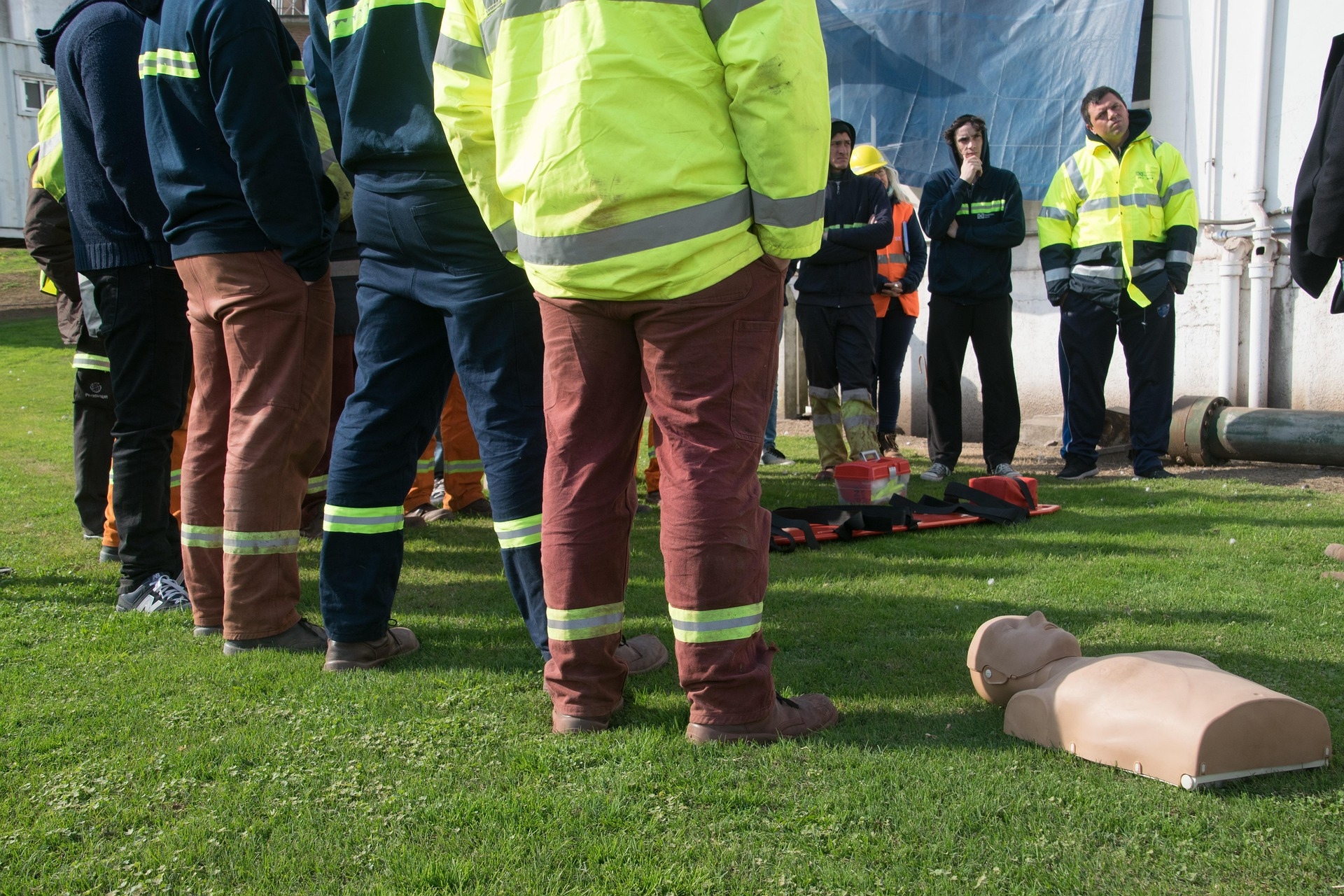
Workplace CPR Training: A Simple Investment That Saves Lives
When we think of workplace safety, most of us picture things like fire extinguishers or emergency exits. But one of the most powerful safety tools you can bring into any workplace does not hang on a wall or plug into a power outlet, it is CPR (Cardiopulmonary Resuscitation) training.
Every year, thousands of people experience cardiac arrest at work, in meetings, or on job sites. Most coworkers are willing to help, but not all are prepared. The good news? That can change with a relatively small investment that could one day mean the difference between life and death. Workplace CPR training is an investment in readiness, health, and peace of mind.
Here’s why every company, big or small, should make workplace CPR training a top priority.
1. Cardiac Arrest Can Happen Anywhere, Including Work
Sudden cardiac arrest strikes without warning. It does not care if you are at a desk, a warehouse, or a job site. In fact, the Occupational Safety and Health Administration (OSHA) reports that thousands of out-of-hospital cardiac arrests happen in public places, including workplaces, each year.
When someone collapses, time is critical. Brain damage can start within 4–6 minutes. Emergency responders may not arrive in time, but a trained coworker can start CPR immediately and save a life.
2. Bystander CPR Makes a Massive Difference
According to reports, immediate bystander CPR can double or even triple the chances of survival from cardiac arrest. But here is the catch: only about 40% of people who go into cardiac arrest outside of a hospital receive CPR from a bystander.
Workplace CPR training flips that statistic. It ensures that if an employee collapses, there are people nearby who can respond within seconds, with knowledge, confidence, and action.
3. AEDs: A Vital Partner to CPR
While CPR helps maintain blood flow to the brain and organs, an AED (Automated External Defibrillator) can restore a regular heart rhythm. In many cardiac arrest cases, defibrillation within the first few minutes is essential for survival.
Here’s why every workplace should have at least one AED on-site:
- It’s Easy to Use: AEDs are designed for anyone to use. Clear voice prompts guide users through each step.
- It Saves Time: Even in the best-case scenario, EMS may take several minutes to arrive. Having an AED on hand allows employees to intervene immediately.
- It Dramatically Increases Survival Rates: If defibrillation is provided within 3–5 minutes, survival rates can be as high as 50–70%.
- It’s Affordable: Modern AEDs are compact, user-friendly, and cost-effective, especially compared to the cost of losing a life or facing legal action for not having one. You can even lease or rent an AED.
Pairing CPR training with AED access is one of the most effective ways to protect your workplace. It is not just a piece of equipment, it is a life-saving resource that complements your emergency response plan.
4. It’s Affordable, Scalable, and Easy to Implement
CPR training is low-cost compared to other workplace safety initiatives. Courses can be completed in under an hour.
Schedule your combined CPR and AED training, ensuring your team is fully prepared, and get continued corporate discounts for businesses and corporations.
5. It Builds a Culture of Care and Responsibility
Offering CPR and AED training is not just about compliance, it sends a strong message that your organization values health, safety, and community. It empowers employees with real-world skills that they can use on the job, at home, or in public.
When employees feel supported and capable of helping each other, morale improves, trust deepens, and safety culture strengthens.
6. It May Help Reduce Liability
While Good Samaritan laws generally protect bystanders who attempt CPR or use an AED, having trained personnel and accessible AEDs demonstrates a proactive, responsible approach to employee safety. It can reduce your company’s liability, lower insurance risks and maybe even costs, and meet industry-specific regulations.
Next Steps: How to Bring CPR and AED Readiness to Your Workplace
Ready to get started? Here’s how:
- Assess Your Workplace Needs
Determine how many employees should be trained (ideally, multiple per department or shift). - Install AEDs in Strategic Locations
Ensure they are clearly marked, accessible, and regularly maintained. - Partner with a Certified Training Provider
Look for CPR/AED courses from Health Solutions of America. - Schedule Recurring Training
Certifications last 2 years, we’ll remind you when it is coming due. - Promote a Culture of Safety
Recognize trained staff, share emergency response plans, and encourage participation.
Take Action with Health Solutions of America and Workplace CPR Training
The cost of workplace CPR training and AED readiness is minimal, especially compared to the value of a human life. Whether your workplace is a corporate office, construction site, school, or retail store, these life-saving skills belong in every building and on every team.
Do not wait for a crisis to find out you were not ready. Send us an email at help@healthsolutionsofamerica and we will answer any questions you may have. We can help you create a cost-effective safety plan for AED placement (purchase or lease options) as well as training for your office (online, hands-on, or blended learning options). We also track and help monitor AEDs so they are ready to use when needed.