

Why “Stayin’ Alive” Is the Perfect Beat for CPR Chest Compressions, And How Health Solutions of America’s Online CPR Course Teaches It
If you’ve ever wondered how to keep the right rhythm during CPR chest compressions, you’re not alone. Performing chest compressions at the correct pace is critical to effective CPR, and health experts often recommend doing it to the beat of a song that’s about 100 to 120 beats per minute (BPM).
One of the most famous songs that fits this tempo? The Bee Gees’ classic hit: “Stayin’ Alive.”
Why “Stayin’ Alive” Works for CPR Chest Compressions
The most current CPR guidelines recommend chest compressions be done at a rate of 100 to 120 compressions per minute to maximize blood flow to the brain and vital organs during cardiac arrest.
“Stayin’ Alive” clocks in right around 103 BPM, making it an easy and catchy tempo to keep in mind. Singing or thinking of this song while performing CPR helps rescuers maintain a consistent, effective pace.
Learning This and More in Health Solutions of America’s Online CPR Course
When you take the Health Solutions of America online CPR course, they emphasize practical tips like this, teaching not just what to do, but how to do it well.
Here’s what the course covers related to chest compressions:
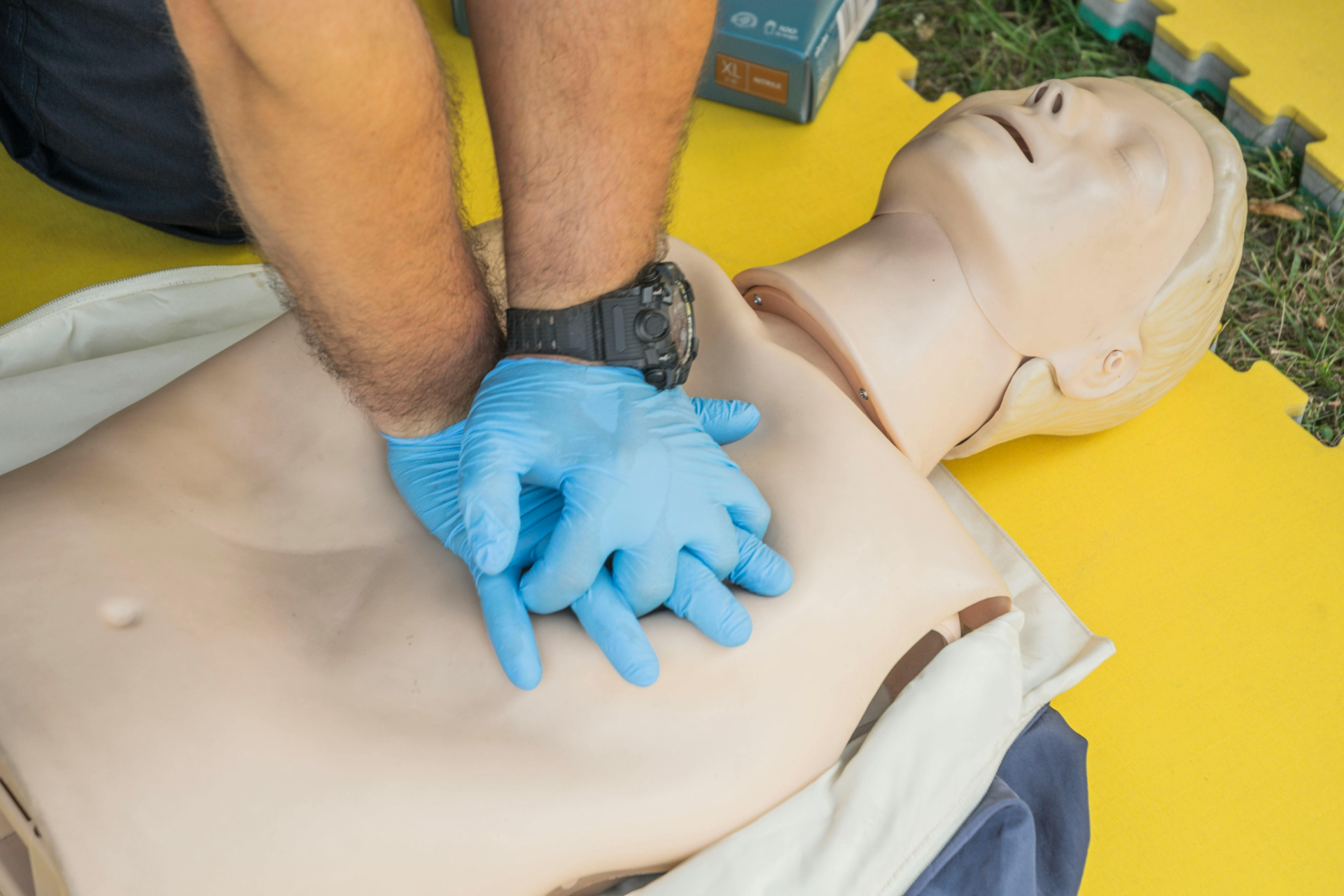
- Proper hand placement on the chest
- How deep and fast compressions should be
- The importance of full chest recoil between compressions
- Using “Stayin’ Alive” or other songs at 100-120 BPM to keep the rhythm
- How to combine compressions with rescue breaths
The videos and step-by-step guides made it easy to understand and practice the technique.
Why The Right Compression Rate Matters
Performing chest compressions too slowly or too fast can reduce their effectiveness. Compressing at the right tempo:
- Helps maintain consistent blood flow
- Increases the chances of survival and recovery
- Keeps rescuers focused during stressful moments
Using “Stayin’ Alive” as a mental metronome is a simple, memorable hack that anyone can use, especially when you’re nervous or it’s your first time performing CPR.
Who Should Take This Course?
- Parents and caregivers
- Teachers and school staff
- Workplace safety officers
- Fitness instructors and coaches
- Anyone who wants to be prepared to save a life
Because the course is fully online and self-paced, it’s easy to fit into any schedule.
Final Thoughts: Learning CPR Is Easier Than You Think
Thanks to Health Solutions of America’s online CPR course, you’ll feel confident knowing how to perform chest compressions correctly, and that little trick of thinking “Stayin’ Alive” really helps keep the beat.
If you’ve ever wanted to be ready to help in an emergency, this is a great place to start. And who knows? Maybe the next time you hear that Bee Gees classic, you’ll remember how to save a life.
Ready to learn CPR at your own pace? Check out Health Solutions of America’s online CPR course today!